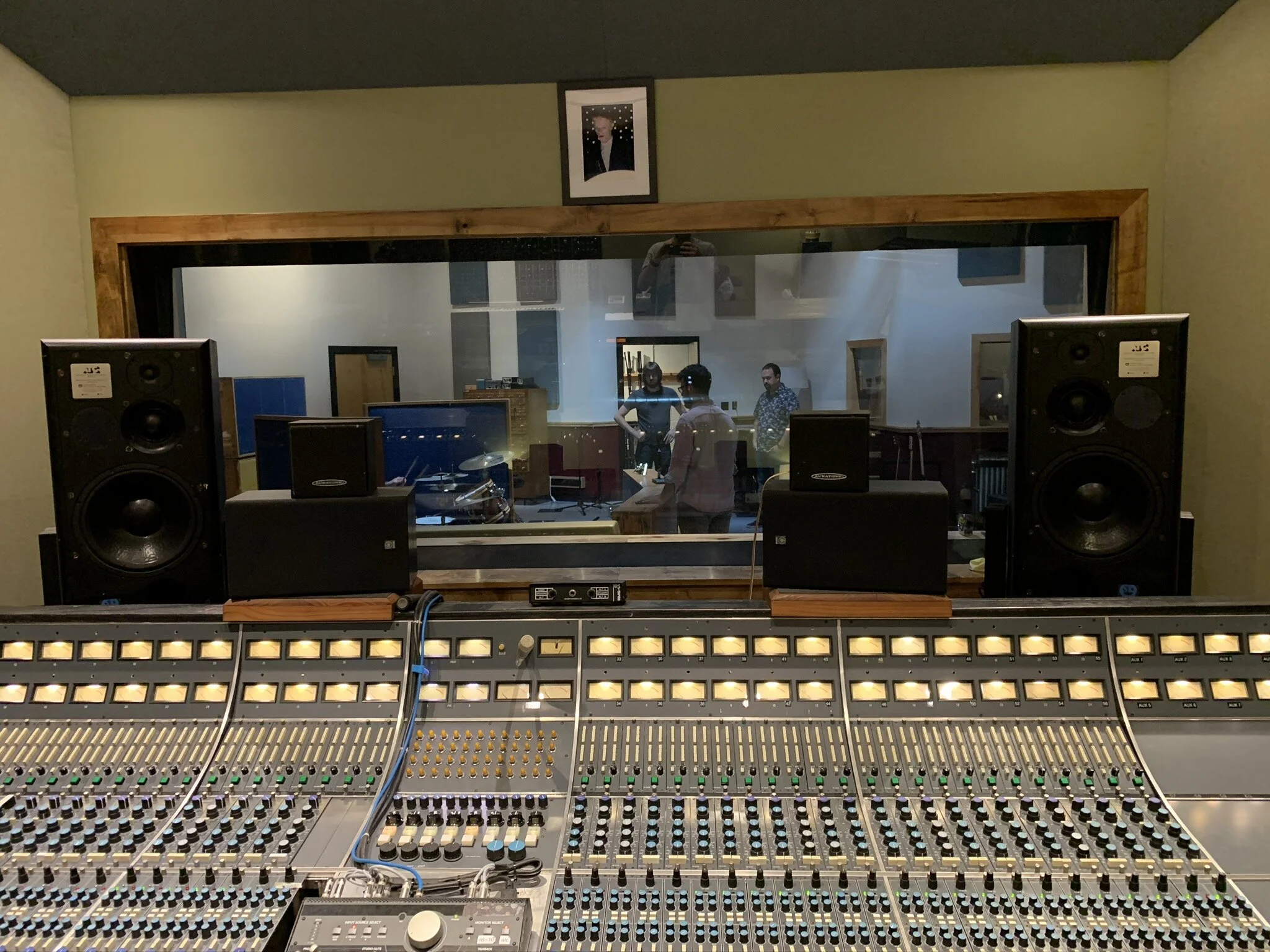
Here are a few thoughts on mixing audio. This is mostly aimed at audio recordings, but the basic ideas are also applicable to live sound reinforcement.
Mixing is listening. Think of mixing audio as primarily a listening activity. Listen more and do less.
Mixing is mostly balancing levels. At it’s core, mixing is controlling the loudness of the different sounds relative to one another. Controlling dynamics and tone are ultimately ways of controlling loudness, but balancing levels has the biggest impact. At one time, mixing engineers were actually called balance engineers.
Work slower. Listen for longer before making changes. You’ll know quickly whether it was the right change. If not, undo and listen again.
Establish the sound of the most important static elements(s) in the song first. This is often drums.
The drum sound makes the recording. Get the drums sounding great before doing anything else.
Make the most important changes first. It's so easy to start changing things in the DAW, but you can make a great mix by only making the most important changes. You can only figure out what those are by listening slowly.
Your first instincts are usually right. When you listen slowly and deeply, you can make good decisions quickly and confidently.
Listen to great sounding music and analyze it as a mix. What is the tonal balance? How loud are the specific instruments and voices relative to each other?
Practice mixing using really well recorded multitracks. It will help you know what you’re listening for when mixing things that aren’t as stellar. There are a ton of them available free on the internet.
Be in the room with other mixers, especially ones that are more experienced and/or better than you. Besides completing mixes myself, the thing that has improved my mixing the most is sitting in on mix sessions with engineers who are better than me. I've learned so much by seeing how they listen and make decisions.
Here’s a rough overview of my tactical approach to mixing:
Get the instruments balanced in volume, starting with drums and bass. This sometimes requires compression to even out dynamics, especially for voice or highly dynamic instruments. Sometimes I’ll balance drums, bass, and lead vocal first and build around that.
Correct any tone issues on idividual tracks. This is done with EQ, or dynamic EQ. Do this mostly while listening to the whole mix rather than soloing things.
Pan instruments across the stereo field. Tips: Kick, snare, bass, lead vocals in the middle; drum overheads, guitars, keyboards, strings, synths, backing vocals, percussion wider. Don’t use panning to solve balance or tone issues. You’ll only be fooling yourself.
Add any fx you desire. Examples: Reverb, delay, echo, chorus, etc. Put each effect on a bus and send the desired amount from each track.
Automate changes like volume, panning, effects send levels, effect parameters, etc.
Tone adjustments and FX can change the balance, so you might have to adjust volume as you go. But remember to leave the core instruments static in level (in most cases). It’s very helpful to have some elements remain static in your mix, in terms of volume, tone, and panning to kind of root the whole thing. Usually this is drums and bass. Other elements can change/move/get “effecty” while the rhythm section keeps the core of the song solid. The interplay between the two is what makes it interesting. You can do it differently, for sure, but I think it's more tricky to make it come off musically coherent.