collaboration

Rules for Collaboration

Sister Corita Kent authored a set of rules for her art classes she taught, which were picked up by John Cage and posted in Merce Cunningham’s studio.

I have found lighting designer Lara Wilder’s rules for collaboration helpful. My first experience in a collaboration following these rules was Verses That Hurt, with Grant Bowen.

Here they are:

1. Decide on the rules first. Have a discussion of ground rules/guidelines before you start collaborating. If you make up the rules as you go along, people can get cranky.

2. Minimize triangulation. Collaborators should all meet together as much as possible to avoid information loss and distortion (i.e. the "telephone game").

3. One speaker at a time. When someone is talking, the synergy that happens at that moment is often unique and cannot be reproduced. Allowing or encouraging "sidebar" conversations or conversations outside the group can cause the opportunity to get "sparked" by fellow collaborators is lost.

4. No withholding. Not every idea has to be amazing. You have the right to share all your ideas without editing. True equality includes the right to suck.

5. There must be a final editor. Know who that is at the outset.

6. The more one contributes, the more of a say they have in the project. Ideas from latecomers can be more readily disregarded by the leader/final editor, but they must pay attention to ideas from the longest/most involved/hardest working members of the group. It's sometimes hard to do, but necessary for the health of the group.

7. There will always be another show. You can re-mount a show, have a version 2.0, do a different show, etc. This frees you from holding on to any idea too tight. Cultivate a longer view of yourself as an artist and a longer commitment to your collaborators.

And here are some rules I’ve added:

8. Make something and go from there. Some thing that exists is better than the perfect thing that doesn't (or only exists in your mind).

9. Give specific tasks to specific people.

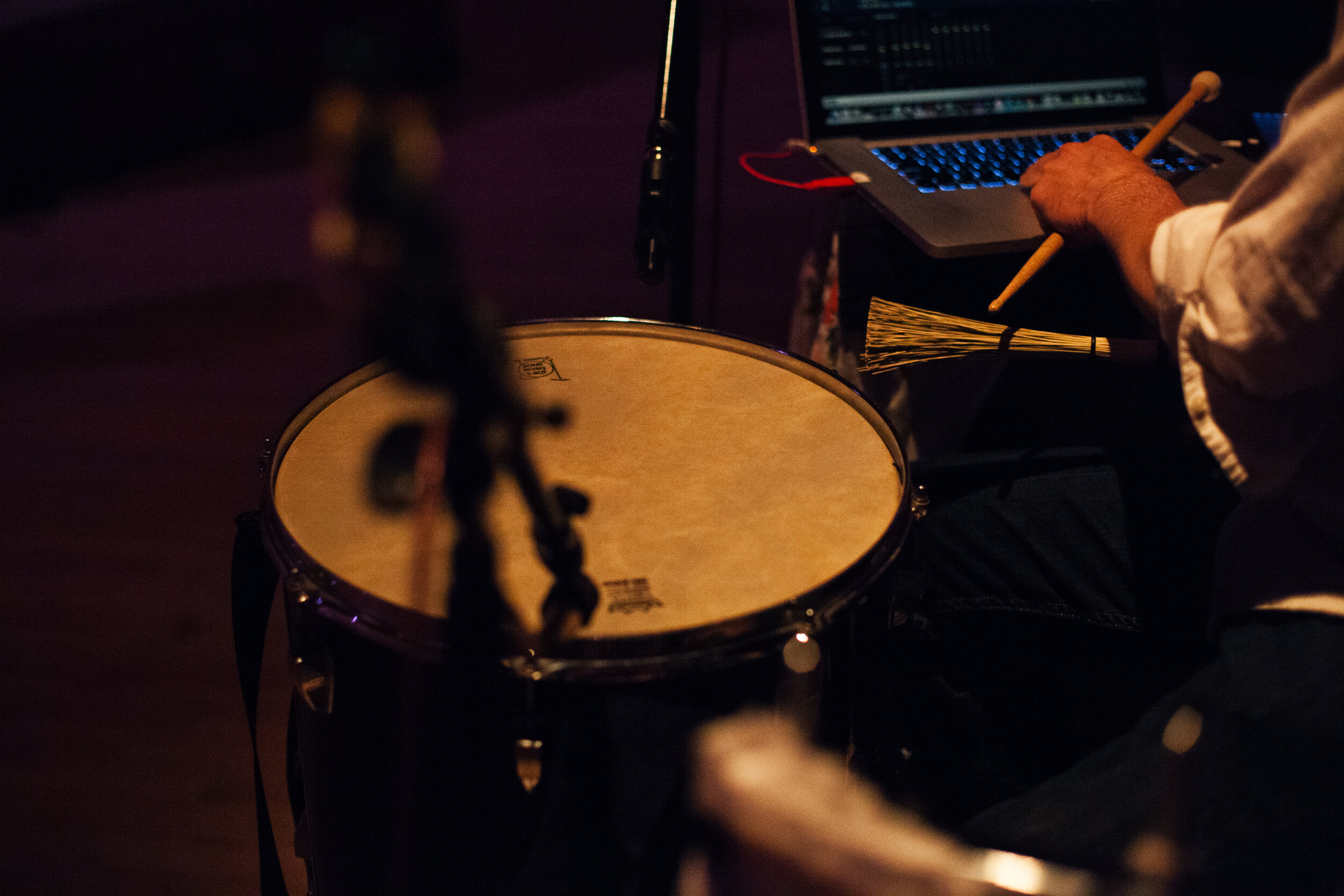
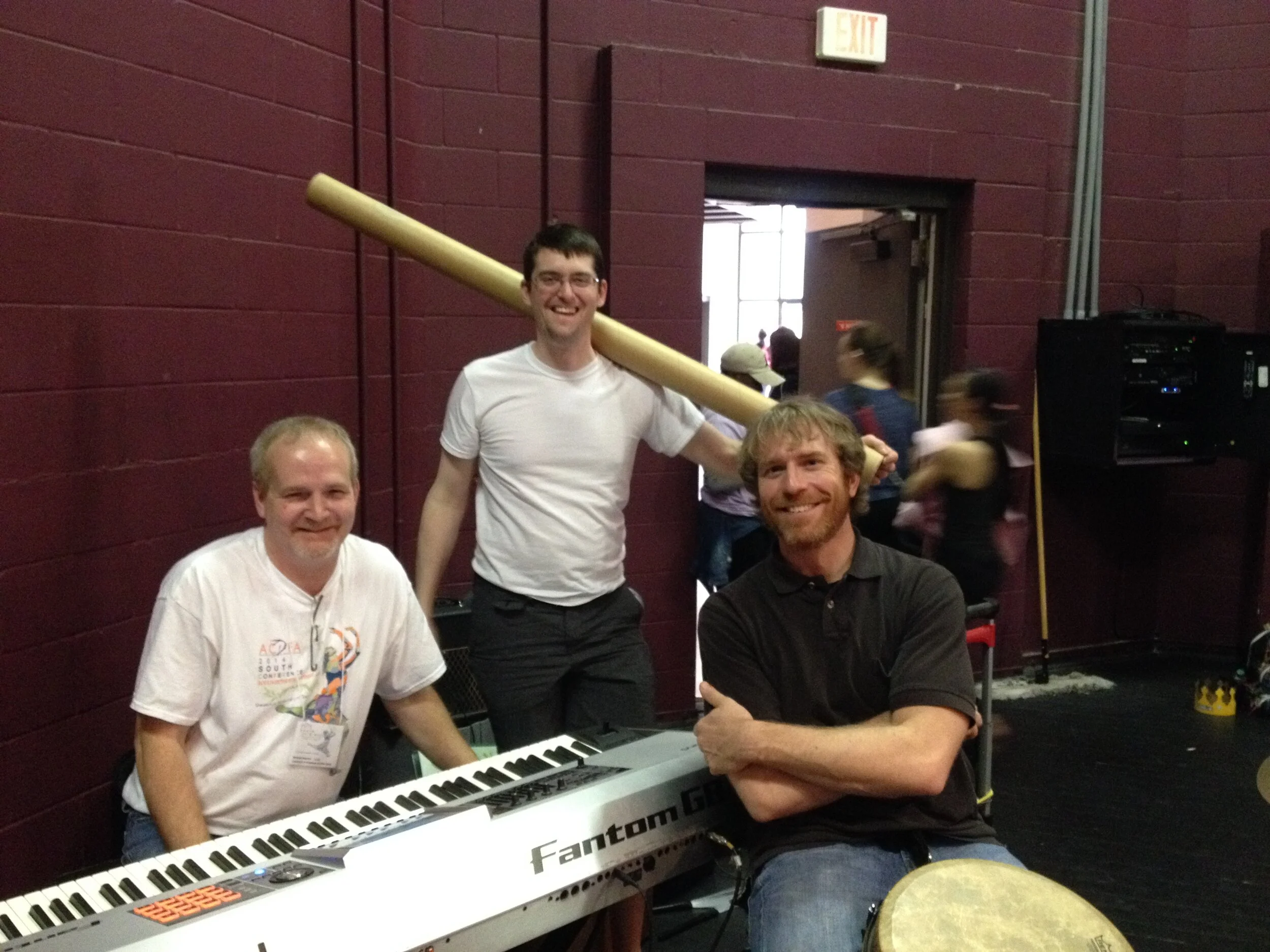
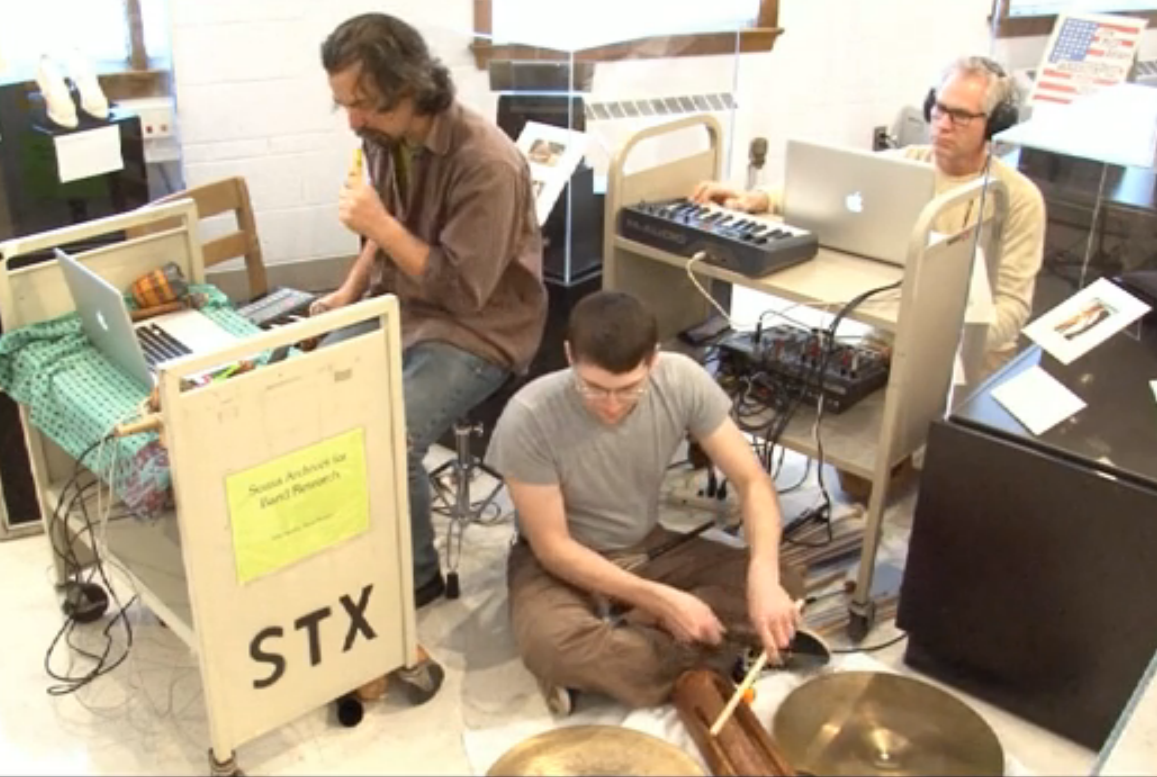
Collaborating: Playing with other dance musicians

Improvising in dance classes with other musicians can be wonderful! Here are a few things I’ve learned to make cool and effective:

  • Limit the number of pitched instruments. If you have a pianist, it can be difficult to coordinate harmonic progressions with a bass player, guitar, or additonal keyboard player.

  • Create a system to coordinate if you have more than one pitched instrument. For instance, decide on a harmonic progression or mode for each combination.

  • Play more simply than you would as a soloist, and leave lots of space.

  • Play quieter than you would as a soloist, especially if you’re a drummer/percussionist.

  • Inject new ideas/motifs/gestures from time to time - don’t just imitate what you hear.

  • Watch the dance. It’s tempting to get lost in the music, but it’s more important to watch what’s happening when you’re part of a group.

  • Listen to the dance teacher. It’s easy to get chatty between combinations with the musicians and miss important info. Also look and listen while playing, just in case.

  • Decide (or know based on context) who the ensemble leader is, and follow their lead. Collaborations tend to work best if there is a “benevolent dictator” who can make decisions.