composing

Constraints and Simplicity

When improvising for dance class, sometimes I find it helpful to give myself some constraints and think in terms of simplicity. Simplicity lends itself to clarity of intent, structure, and composite music/dance textures that are effective for learning. I might limit myself to one musical “complexity” such as the rhythmic pattern I play on percussion, or one area of freedom, such as melodic, and keep the other elements simple or limited.

Examples:

  1. Play only one instrument.

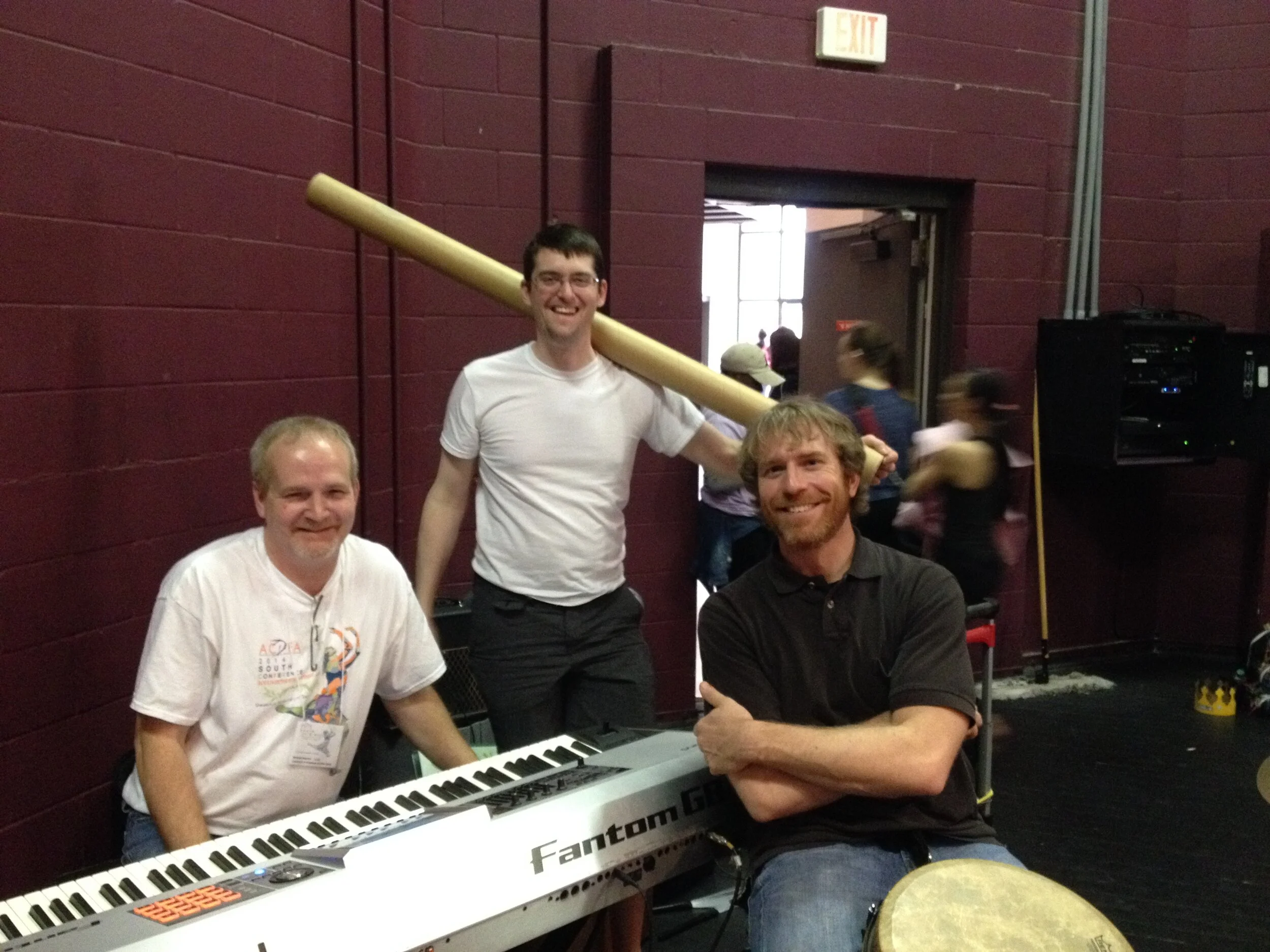
  2. Use only one “domain “ of instruments: Acoustic percussion; digital synths/keyboards; iPad

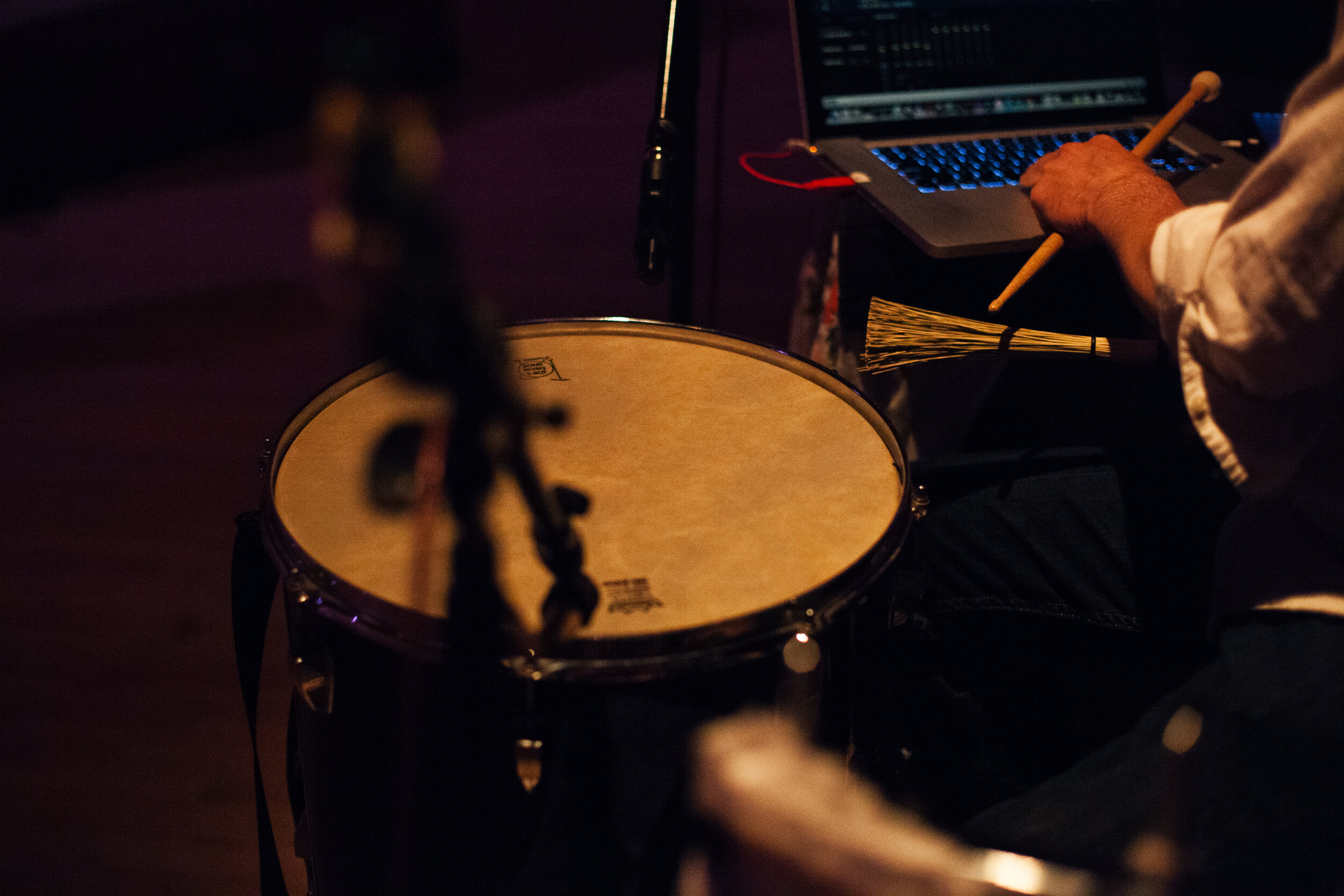
  3. Looping a rhythmic ostinato, bass or harmonic pattern to underscore a more complex pattern or melody I’m playing on percussion/drums.

Why do this?

  • It helps me create original music rapidly.  Simplicity frees me to establish the musical essence quickly, commit to it, and execute it with command.

  • Students sometimes need mental space for processing all of the new movement information coming at them, and too much musical information can actually impede learning.

  • Sometimes it’s a useful lesson to give the dancers more musical responsibility. Dancing bodies contain alot of musical information. Let the students be responsible for creating the buk of the information in hybrid dance/music texture.

Many times the music that teachers and students give the most effusive feedback are the simplest things. Sometimes, when I'm in a flow state, I'm able to handle two complexities, but usually just one. It takes discipline to be able to limit oneself to musical simplicity, but I find it’s worth it.